
Why Some Seeds Sprout Faster Than Others
If you have ever planted multiple kinds of seeds at the same time, you have probably noticed something interesting. Some seeds seem to sprout almost immediately, while others take much longer to show signs of life. That difference is not random. It is part of how each plant species is naturally designed to grow.
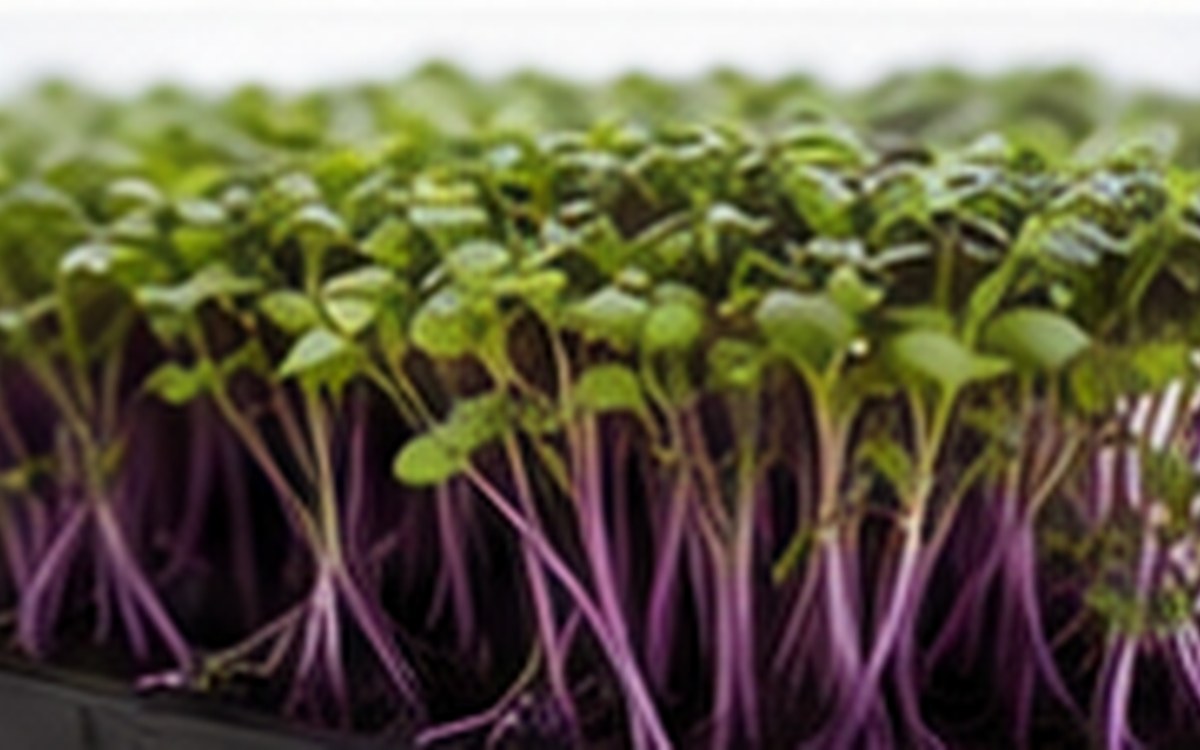
Seed germination depends on a combination of genetics, moisture, temperature, oxygen, and the physical structure of the seed itself. Some seeds are built to respond quickly when conditions are right. Others are built to wait, sometimes for days, weeks, or even longer, until the environment feels safe enough for growth.
Seed Coat Thickness Matters
One of the biggest reasons some seeds sprout faster than others is the thickness of the seed coat. A seed with a thin outer shell can absorb water quickly, and that means the germination process can begin sooner. A seed with a tougher coat may take much longer to soften and open.
This natural protection exists for a reason. In the wild, some seeds need to survive heat, dryness, wind, or even being carried by animals before they are ready to grow. A thicker seed coat helps them wait for the right moment.
Warmth Can Speed Up Germination
Temperature plays a major role in how quickly seeds sprout. Many common vegetable, herb, and flower seeds germinate faster in warm conditions. When temperatures fall within the plant’s preferred range, the seed can activate stored energy more efficiently.
That is one reason indoor seed starting is so popular. It gives growers more control over warmth and consistency. Instead of relying on unpredictable outdoor conditions, seeds can begin life in a more stable environment.
Moisture Must Be Consistent
Every seed needs water to begin growing, but not all seeds respond to moisture in the same way. Some absorb water rapidly and swell right away. Others take longer. If the growing medium dries out too often, germination may slow down or stop completely.
Consistent moisture is one of the most important parts of successful seed propagation. Seeds should stay evenly moist, not soaked, and not allowed to swing constantly between wet and dry.
Some Seeds Are Programmed to Wait
Nature is incredibly intelligent. Some seeds are genetically programmed to germinate as soon as possible because that gives the plant the best chance to establish itself quickly. Other seeds are programmed to delay germination until a more specific signal appears, such as a temperature shift, scarification, or a period of cold stratification.
This is why two seeds planted side by side can behave completely differently. Even if the moisture and temperature are the same, the seeds themselves may have very different built-in timelines.
Why This Fascinates Growers
Part of what makes seed starting so enjoyable is that every type of seed has its own personality. Some are fast and eager. Others are patient and mysterious. Watching those differences unfold makes propagation feel less like a chore and more like an experience.
That curiosity is part of what makes growing so rewarding. You are not just planting seeds. You are learning how life responds to its environment.
The Inspiration Behind SeedWindow™
The magic of watching seeds wake up is exactly what inspires SeedWindow™, an upcoming patent pending nursery product created to make early plant growth more visible, more engaging, and more enjoyable.
When people can actually observe the beginning stages of germination, they connect more deeply with the process. They ask more questions. They notice more details. And often, they become even more excited about plants than they were before.
Because sometimes the biggest reason people fall in love with growing is not just the finished plant. It is the moment they realize how incredible the beginning really is.
Keep Growing
Explore more SeedWindow™ articles designed to make indoor seed starting easier and more successful.