
How Long Do Seeds Take to Germinate?
This is one of the most common questions new growers ask, and for good reason. Once seeds are planted, every day can feel long when you are waiting for the first sign of life.
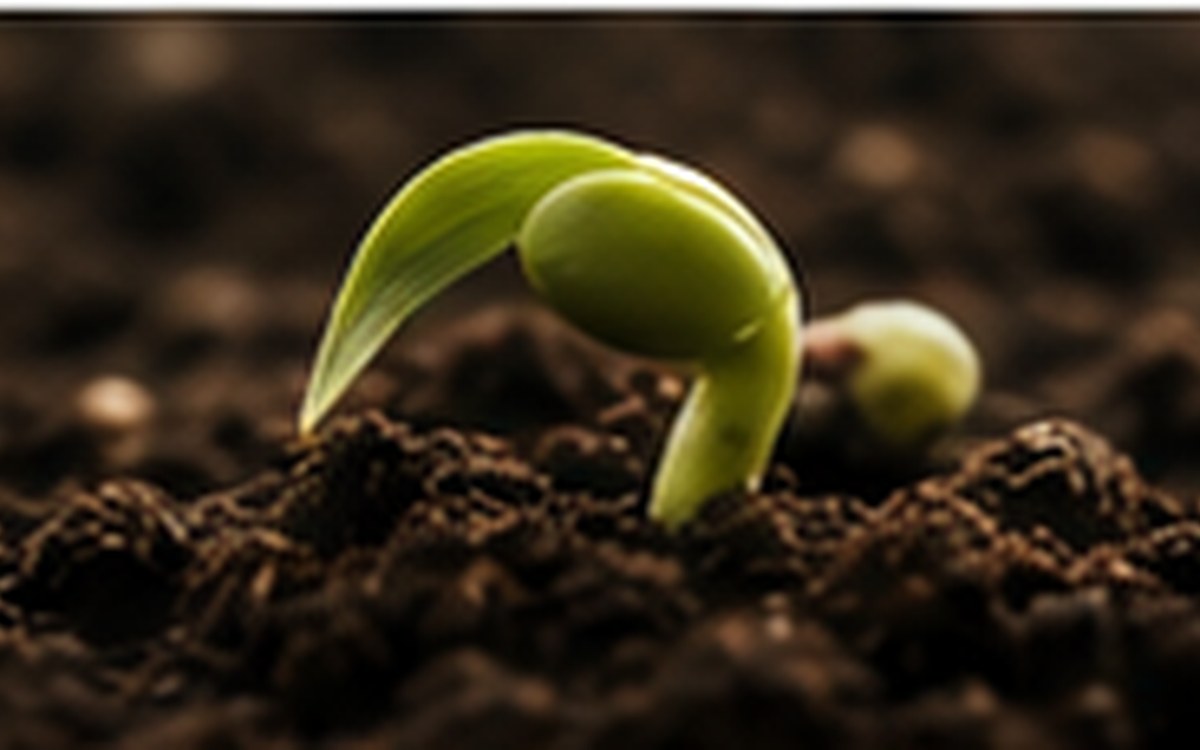
The honest answer is that germination time depends on the plant, the freshness of the seed, the temperature, the moisture level, and how closely conditions match what that seed prefers. Some seeds sprout in just a few days. Others need a couple of weeks. A few may take much longer.
Some seeds are naturally fast
Herbs and vegetables like basil, radish, and lettuce can often germinate quickly when conditions are right. These faster seeds give beginners confidence because they show visible progress early.
Other seeds are built to wait
Some flower seeds, tree seeds, and tropical species take longer by nature. Their seed coats may be thicker, or they may need more specific environmental signals before they begin active growth.
For a deeper look at that difference, read why some seeds sprout faster than others.
Temperature changes the timeline
Even a seed that usually germinates quickly can slow down in cool conditions. Warmer, stable temperatures often help the seed activate faster, while cold media can make the process drag out.
If you want to dial that in, see what temperature is best for seed germination.
Moisture has to stay steady
Seeds need enough moisture to absorb water and begin germination, but they do not want repeated cycles of soaking and drying out. Inconsistent moisture can slow things down or stop the process entirely.
Patience matters more than people think
One of the easiest mistakes in seed starting is assuming something failed too early. Many growers disturb or replant seeds before they have had enough time to complete the process.
Watch for conditions, not just the calendar
Germination timing is not only about counting days. It is about whether the seed has what it needs. Good moisture, appropriate warmth, breathable seed starting media, and the right planting depth all matter.
If your seeds are sitting too long in overly wet conditions, they may break down instead of sprouting. That is why it helps to read why seeds rot before they sprout.
Seed starting becomes much more enjoyable once you realize that every seed has its own pace. Helping people observe and understand that early stage is part of the bigger vision behind SeedWindow™, an upcoming patent pending nursery product focused on making early plant growth more visible and more engaging.
Keep Growing
Explore more SeedWindow™ articles designed to make indoor seed starting easier and more successful.